Guest Editors
Gianmarco Pallavicini
Neuroscience Institute Cavalieri Ottolenghi
<p>Dr. Gianmarco Pallavicini is a post-doc working in the lab of Ferdinando Di Cunto at Neuroscience Institute Cavalieri Ottolenghi. He has been working in Di Cunto’s Lab since August 2012, after obtaining his master’s degree in Molecular Biotechnology and his PhD in "Molecular Medicine.” Since the beginning of his training, Gianmarco was strongly attracted to developing the microcephaly gene Citron Kinase as a novel target for pediatric brain tumors. During the last three years, he was awarded a FIRC fellowship centered on increasing the mechanistic understanding of tumor suppression based on microcephaly gene inhibition in primary Gliomas.</p>

Giorgia Legiani
University of Turin, Department of Neuroscience ‘Rita Levi Montalcini’
<p>Giorgia Iegiani obtained her master’s degree in Molecular Biotechnology in July 2020 and then enrolled in the PhD Program in Complex System for Quantitative Biomedicine at the University of Turin, Italy. She is working in the lab of Ferdinando Di Cunto at Neuroscience Institute Cavalieri Ottolenghi. Her work is focused on uncovering the mechanisms of the DNA damage response to Citron Kinase loss in brain development and pediatric brain tumors. Currently, she is visiting the lab of Stephanie Bielas, at the University of Michigan, USA. She is undergoing training on stem cell culture and differentiation into forebrain organoids that can be exploited to study normal physiology and disease conditions. </p>

Eleonora Vannini
Neuroscience Institute CNR
<p>Dr. Eleonora Vannini obtained her PhD in Neurobiology at Scuola Normale Superiore (Pisa) in November 2014 and is now a Research Scientist at the CNR Neuroscience Institute of Pisa, where she is leading her independent research group. The approach of the lab relies on exploiting a combination of techniques such as: in vivo electrophysiology, optogenetics, chemogenetics, behavior, motor tests, and anatomical and biochemical analyses. The lab aims to investigate circuit and synaptic modifications in Central Nervous System physiology and disease. Dr. Vannini has vast experience and a strong research interest in evaluating neural changes during glioma growth.</p>
Collection Overview
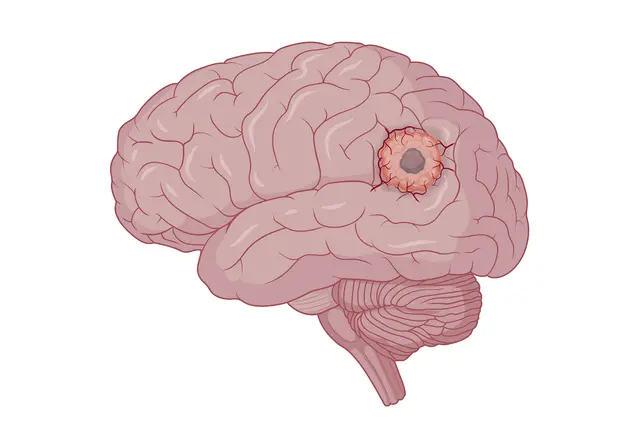
Gliomas remain among the most aggressive and therapeutically resistant brain tumors, presenting significant challenges in treatment and management. Despite advancements in research, the complexity of glioma biology, the heterogeneity of tumor subtypes, and the difficulty in delivering effective therapies across the blood-brain barrier continue to hinder progress. Developing reliable models and methodologies is essential for understanding tumor behavior, identifying novel therapeutic targets, and evaluating potential treatment strategies.
This Methods Collection aims to bring together a diverse range of experimental approaches used to study gliomas, encompassing cellular models, ex vivo systems, and in vivo techniques. By covering methodologies that explore tumor biology, treatment response, and disease progression, this collection will provide a comprehensive resource for researchers working in preclinical and translational glioma studies. The inclusion of innovative and established techniques will enable the investigation of both fundamental glioma mechanisms and emerging therapeutic interventions.
By consolidating these methodologies, this collection will facilitate knowledge exchange and technical advancements, allowing researchers to refine experimental models and improve the reproducibility of findings. Ultimately, this collection will contribute to accelerating the translation of new discoveries into clinical applications, fostering collaboration across disciplines, and enhancing the scientific community’s ability to address the critical challenges associated with glioma treatment.
Articles

Circulating Glioma Model for Chimeric Antigen Receptor T-Cell Therapy Investigations
0 Views
•
2025
•
1School of Chemistry and Chemical Engineering, Southeast University, 2Department of Immunology, Key Laboratory of Human Functional Genomics of Jiangsu Province, Gusu School, Nanjing Medical University, 3Department of Neurosurgery, The First Affiliated Hospital of Nanjing Medical University, 4Department of Neurosurgery, The Affiliated Brain Hospital of Nanjing Medical University, 5Department of Clinical Laboratory Medicine, Children's Hospital of Nanjing Medical University