Guest Editors

Kumar Aavula
Harvard Medical School
<p><span style="color: black;">Dr. Kumar Aavula is currently working as a postdoctoral fellow at Harvard Medical School, Boston USA. He obtained his PhD from the Technical University Kaiserslautern, Germany, in association with Friedrich Miescher Institute for Biomedical Research, Switzerland. He studied the role of phosphatases and kinases in regulating synaptic structural and functional plasticity and discovered a neuroprotective role of synaptic activity in degenerating synapses. His current research focuses on the role of miRNA in regulating synaptic structural and functional plasticity using imaging, electrophysiology and molecular techniques using Drosophila as a model. </span></p>

Payel Ganguly
Harvard Medical School
<p><span style="color: black;">Dr. Payel Ganguly is a postdoctoral fellow at Harvard Medical School, Boston. She obtained her PhD from The University of British Columbia where she studied the functionalization of human gene variants in Drosophila. During her master’s, she studied the effect of temporally controlled huntingtin expression and autophagy upregulation in Drosophila. Her current research focuses on understanding the disease pathology of Amyotrophic Lateral Sclerosis and other related neurodegenerative diseases.</span></p>
Collection Overview
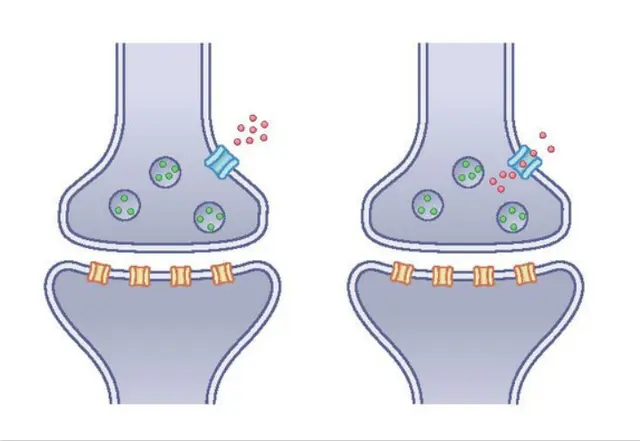
The most common feature shared by almost all neurodegenerative diseases is the loss of synapses and neurons. The causal factors may vary across diseases, but the initial effect begins with the impairment of synaptic function, leading to the elimination of nonfunctional synapses and subsequent degeneration of neurons. Numerous studies have demonstrated the neuroprotective role of synaptic activity, wherein enhancing synaptic activity in degenerating neurons can suppress neurodegeneration.
However, the exact mechanism underlying this neuroprotective function remains unclear, and it is evident that the mechanisms of synaptic plasticity and neurodegeneration are inversely related. To better understand this relationship, Drosophila melanogaster is an excellent model organism due to its strong genetics, well-established methods for analyzing brain structure and function, and ease of generating disease models.
Drosophila models have been developed for various neurodegenerative diseases, including Alzheimer's disease (AD), Parkinson's disease (PD), amyotrophic lateral sclerosis (ALS), spinal muscular atrophy (SMA), Huntington's disease (HD), and many more. A wide range of methods, including anatomical, molecular, microscopic, electrophysiological, and behavioral techniques, have been employed to investigate neurodegeneration.
This Methods Collection aims to compile a comprehensive set of methods that can be effectively utilized to study a wide range of neurodegenerative diseases. It provides a valuable resource by presenting a curated list of the most appropriate methods to initiate research in any specific neurodegenerative disease study.
Articles

Abstracts
Measurement of sleep quality in Drosophila
Elizabeth Brown*1,
Evan Lloyd1,
Lauren Campbell1
1Florida State University