
Collection-image

TOPICAL COLLECTIONS

Exploring Gene Polymorphisms: Innovative Methods and Applications
Submit Abstract

Guest Editor

Anna Cieślińska

Anna Cieślińska

Faculty of Biology and Biotechnology, University of Warmia and Mazury

<p>Dr. hab. Anna Cieślińska is a professor in the Department of Biochemistry at the University of Warmia and Mazury in Olsztyn, Poland, with expertise in molecular biochemistry, genetics, biotechnology, and nutrigenomics. Her research centers on genetic polymorphisms, particularly single nucleotide polymorphisms (SNPs), and their effects on key biochemical pathways, including vitamin D metabolism, serotonin pathways, and the human opioid system. She is interested in studying genetic individuality and the influence of β-casein variants (A1/A2) in cow’s milk on human health.</p><p><br></p><p>Professor Cieślińska has published over 40 peer-reviewed articles and serves as an editor and reviewer for scientific journals. She has presented her work at numerous national and international conferences and contributed to research projects investigating nutrition–gene interactions. In addition to research, she is dedicated to teaching and mentorship, supervising doctoral students, tutoring undergraduates since 2019, training students in molecular biology techniques, and engaging in science outreach activities for school students.</p>

Collection Overview

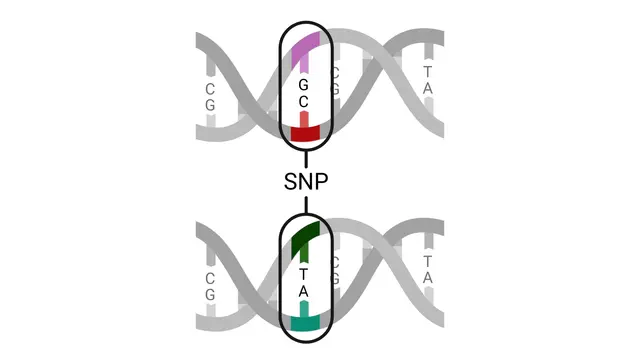
Gene polymorphisms play a crucial role in determining individual differences in health, susceptibility to diseases, and responses to therapies. Single nucleotide polymorphisms (SNPs) are the most prevalent form of genetic variation, affecting gene expression, protein function, and various biochemical pathways. Recent advancements in molecular biology, biochemistry, and bioinformatics have equipped researchers with powerful tools to detect, characterize, and interpret these genetic variations. This progress has led to new insights into disease mechanisms and the development of personalized medicine.


This Methods Collection aims to showcase innovative methodologies and experimental approaches for studying gene polymorphisms and their functional effects. Contributions may include techniques for detecting and genotyping SNPs and other genetic variants, bioinformatics pipelines for conducting association studies, and molecular assays for functional validation. We particularly encourage studies that examine the role of genetic polymorphisms in metabolic pathways, nutrition-gene interactions, drug metabolism, and disease biomarkers.
Articles

Multi-Locus Sequencing for Strain Typing of <em>Toxoplasma gondii</em>
11:09

Multi-Locus Sequencing for Strain Typing of Toxoplasma gondii

0 Views

2026