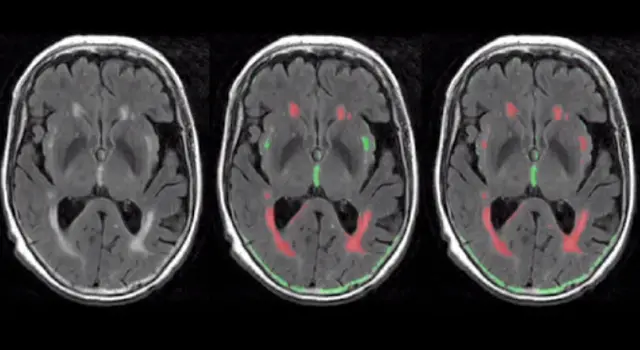
Guest Editor

Collection Overview
Neurodegenerative diseases including Alzheimer’s disease, Parkinson’s disease, Huntington’s disease, amyotrophic lateral sclerosis, and frontotemporal dementia are devastating disorders with no known cure, mainly due to lack of understanding of the underlying disease mechanisms. Numerous mutant strains of mice have been generated as models to investigate these diseases. While fundamental insights into disease pathology and mechanism have been obtained, investigations at a subcellular resolution and high-throughput analyses such as drug screens are not feasible in animal models. Cellular model systems fill this niche. These systems have the advantage of addressing the underlying molecular and cellular disease mechanisms more acutely, enable fast and cost-effective genetic manipulations, and are ideal as a screening platform for libraries of new therapeutic compounds.
This methods collection includes a variety of cellular model systems to study neurodegenerative diseases, including yeast, non-neuronal models, primary neurons, and patient-derived neurons as 2D-induced neuron and 3D organoid cultures. Each model system has its particular strengths, for example, rapid genetic manipulation (yeast), active synapses (primary neurons), pure neuron types (induced neurons), and native-like neuronal connections and a glial milieu (organoids). Importantly, specific key aspects of neurodegenerative diseases have been reproduced in these cellular models, making them valuable for biochemical, cell biological, and high throughput studies, including those needed for early-stage drug discovery.
Editorial

Articles
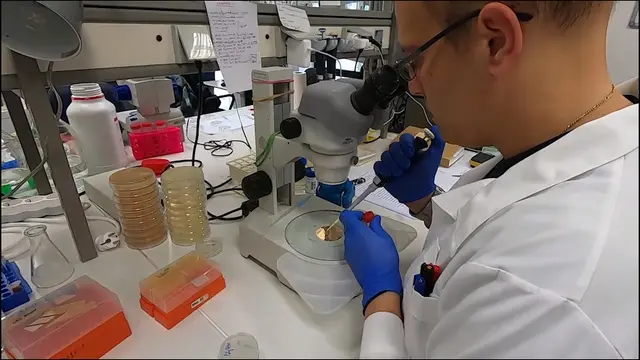
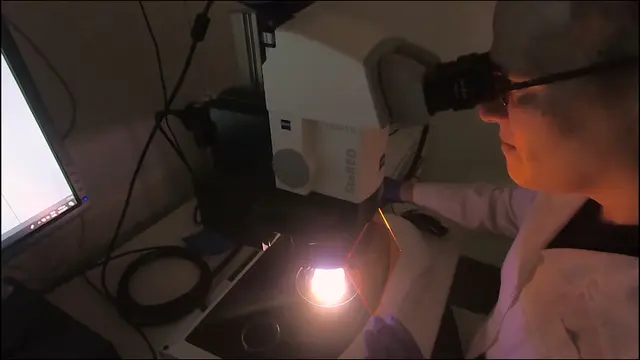
Assessment of de novo Protein Synthesis Rates in Caenorhabditis elegans
0 Views
•
Cited by 5
•
2020
•
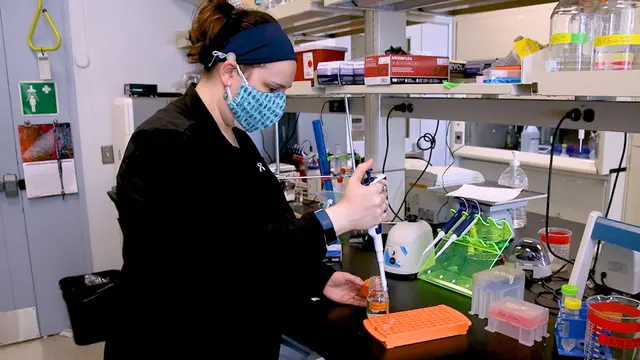
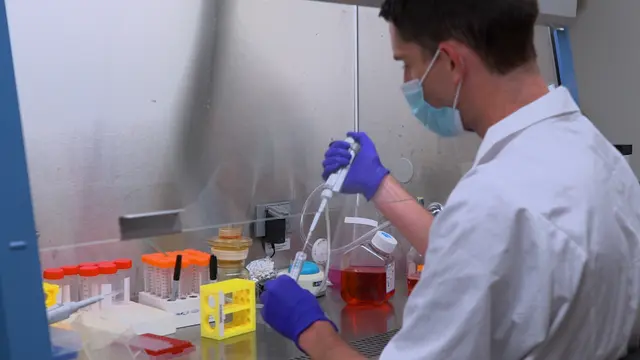
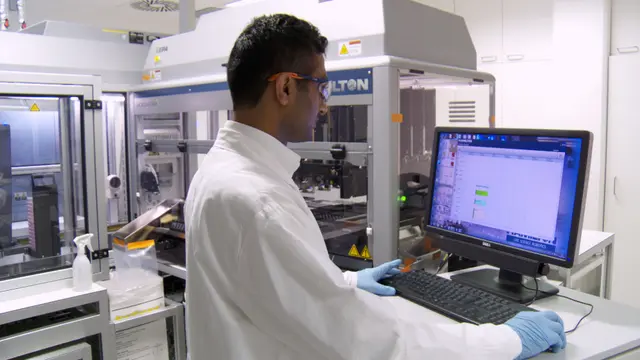
Automated Production of Human Induced Pluripotent Stem Cell-Derived Cortical and Dopaminergic Neurons with Integrated Live-Cell Monitoring
0 Views
•
Cited by 30
•
2020
•
Ashutosh Dhingra*1, Joachim Täger*1, Elisangela Bressan*1, Salvador Rodriguez-Nieto1, Manmeet-Sakshi Bedi1, Stefanie Bröer1, Eldem Sadikoglou1, Noémia Fernandes2, Melissa Castillo-Lizardo1, Patrizia Rizzu2, Peter Heutink1,3
1Genome Biology of Neurodegenerative Diseases, German Center for Neurodegenerative Diseases (DZNE), 2Applied Genomics for Neurodegenerative Diseases, German Center for Neurodegenerative Diseases (DZNE), 3Department for Neurodegenerative Diseases, Hertie Institute for Clinical Brain Research, University of Tübingen