How Flipped Classrooms Can Transform Science Teaching Methods
Picture this: your students walk into class, already equipped with the foundational knowledge they need, ready to tackle hands-on experiments and critical discussions. No time wasted on lengthy lectures, no glazed-over stares.
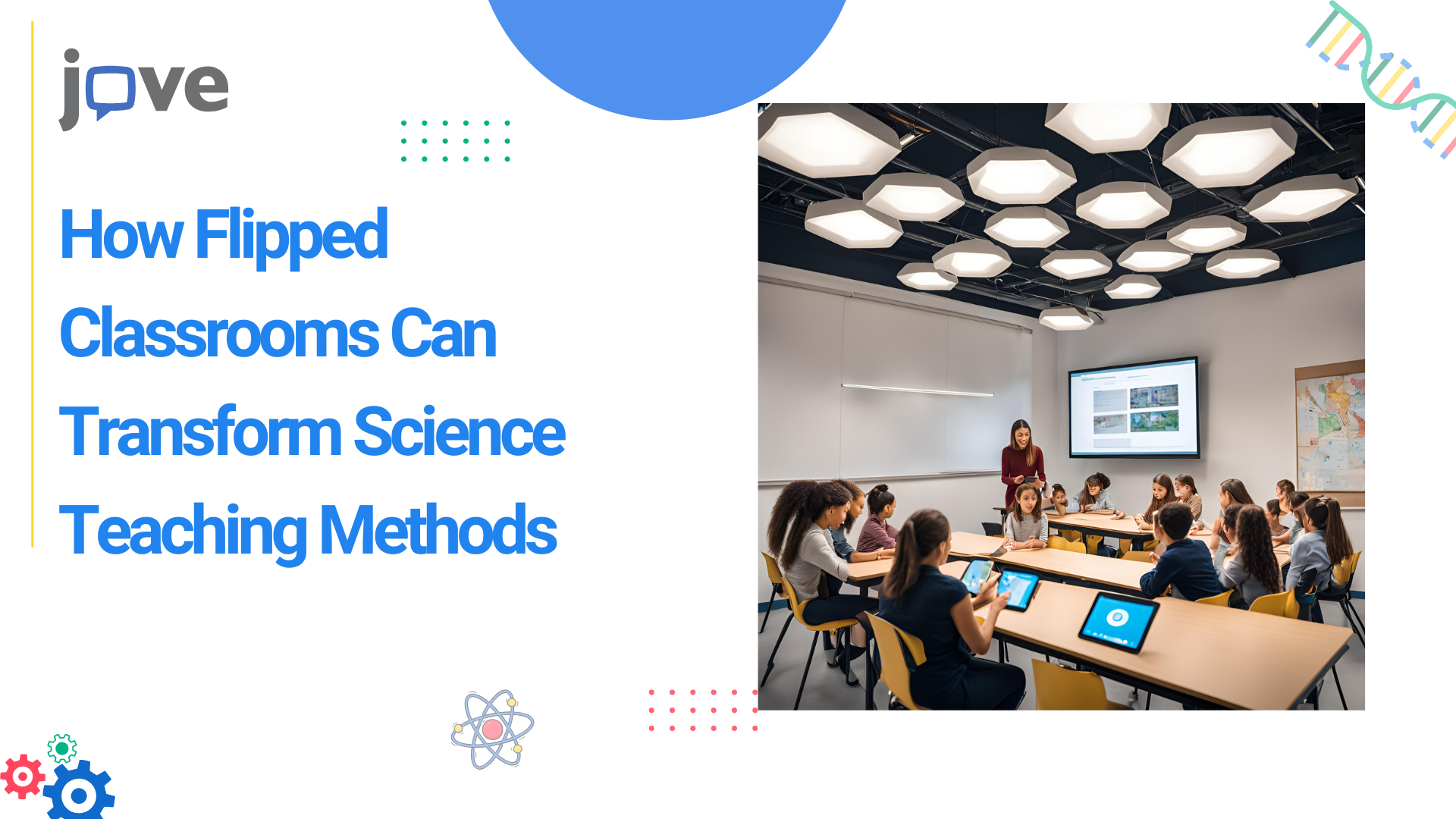
That’s the flipped classroom model in action! This innovative approach flips the script on traditional teaching by turning homework into a space for learning key concepts through engaging content, leaving classroom time for what really matters—active learning, collaboration, and problem-solving.
In this blog, we’ll dive into how flipped classrooms can revolutionize science teaching, maximize lab time, and foster interactive STEM teaching methods that resonate with today’s high school students. Let’s get started!
Flipped Classroom Benefits in High School Science Education
Flipped classrooms shift lectures to homework and free up class time for collaborative and interactive activities. This model offers numerous advantages:
- Enhanced Engagement: Research from the International Journal of Educational Technology in Higher Education highlights that flipped classrooms significantly increase active learning and student engagement, creating a more interactive learning environment (source).
Improved Comprehension: Self-paced video lessons help students grasp complex concepts before applying them in the lab. - Flexible Learning: Technology in science education allows students to pause, rewind, and revisit lessons, ensuring a personalized learning experience.
By focusing on these benefits, teachers can design a dynamic and student-centered science curriculum.
How to Implement a Flipped Classroom in High School Science
Transitioning to a flipped classroom requires careful planning. Here are some effective strategies:
1. Curate High-Quality Video Content
Use educational resources like JoVE’s curriculum-aligned science videos to explain topics such as Simple Harmonic Motion or Photosynthesis and Plant Growth. These videos make abstract concepts accessible and engaging.
2. Incorporate Pre-Class Quizzes
Pre-class quizzes ensure students engage with video lessons. Teachers can gauge understanding and address misconceptions during class.
3. Design Hands-On Activities
Class time can be used for interactive STEM teaching methods, such as group experiments or problem-solving tasks, reinforcing concepts learned at home.
Using Technology in Flipped STEM Classrooms
Technology in science education plays a vital role in supporting flipped classrooms. Here’s how teachers can leverage tools effectively:
- LMS Integration: Platforms like Google Classroom make it easy to assign and track video-based homework.
JoVE’s curriculum-aligned videos seamlessly integrate into Google Classroom, simplifying lesson planning and ensuring students have direct access to engaging content.
- Interactive Simulations: Virtual labs help students experiment with complex scenarios, such as chemical reactions, before engaging in real-world activities.
- Engaging Videos: JoVE offers an extensive library of curriculum-aligned science videos that visually break down challenging topics, making them accessible and engaging for high school students.
Examples of Flipped Classroom Activities for High School Science
Practical applications are essential for flipped classroom success. Here are some activity ideas:
- Physics: After watching a video on projectile motion, students can calculate trajectories using lab tools.
- Biology: Assign videos on cellular respiration and have students model the process during class discussions.
- Chemistry: Use JoVE’s videos to demonstrate reaction mechanisms, then conduct hands-on titration experiments in class.
Flipped Classroom Strategies for Teaching STEM Subjects
To make flipped classrooms impactful, consider these strategies:
- Focus on Collaboration: Research shows that group activities in flipped classrooms boost critical thinking by 15% (source).
- Encourage Reflection: Dedicate time for students to discuss and reflect on their learnings, fostering deeper understanding.
- Integrate Multimedia Resources: Visual aids like JoVE’s STEM videos enhance lessons by breaking down complex topics.
Conclusion
Flipped classrooms empower teachers to transform science education, offering more interactive and engaging STEM lessons. By integrating technology, high-quality video resources, and hands-on activities, educators can maximize class time and foster critical thinking in students.